
An ice machine running in a short video does not tell a buyer how much usable ice it produces, what electricity it consumes or whether the shipped package matches the order. An industrial ice machine factory acceptance test gives purchasing and production teams a defined way to review those questions before shipment.
The useful starting point is an agreed test plan. Specify the equipment, conditions, measurements and acceptance criteria before the demonstration. Then distinguish factory checks from the work that still needs to happen after installation at your site. The checklist below is a suggested purchasing framework; the agreed contract and equipment design determine the final procedure.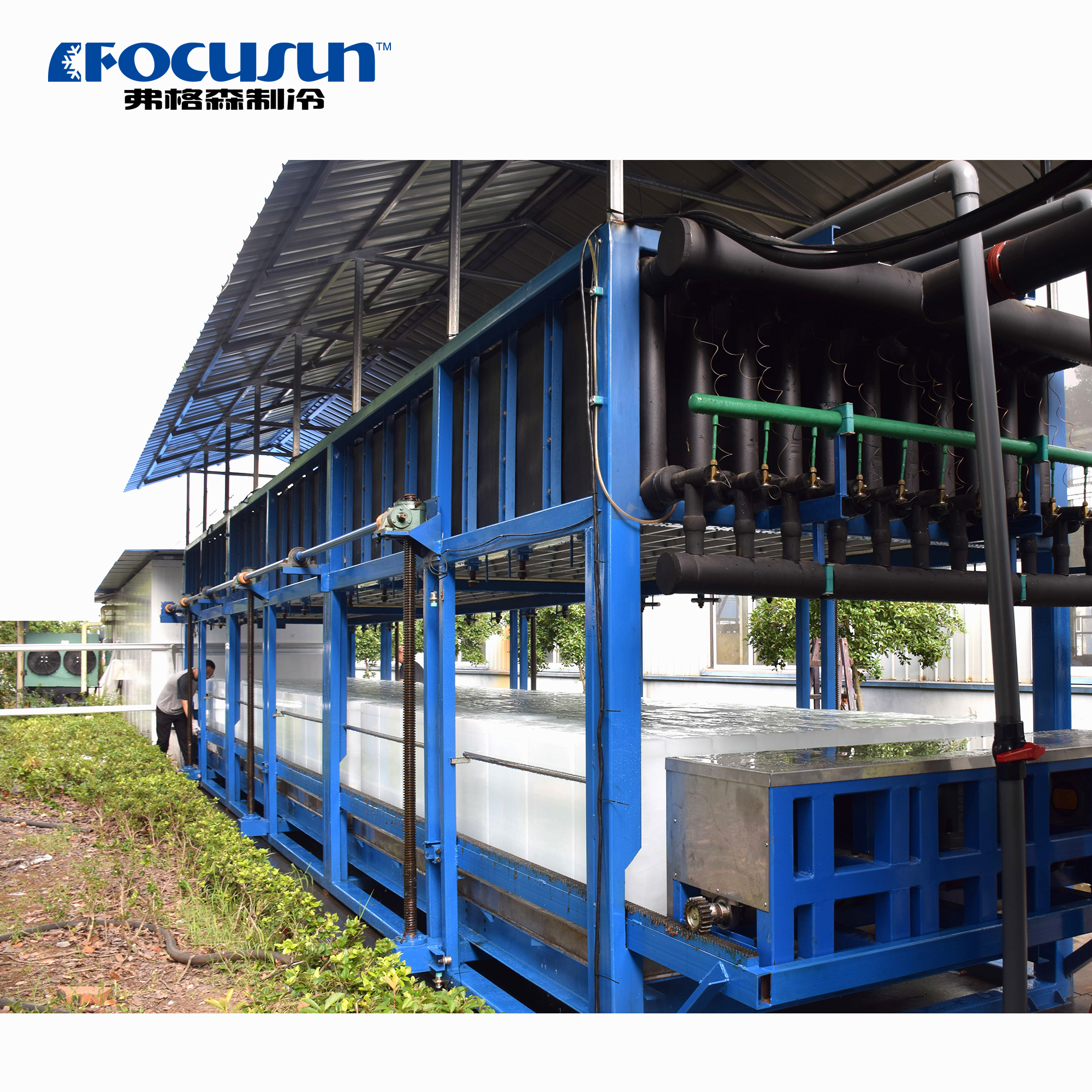
Identify the machine model, serial number, ice form, electrical supply and supplied accessories. State whether the test covers the ice maker alone or an integrated line with storage, conveying and packing. Equipment excluded from the factory setup should remain visible on a separate commissioning list.
Agree on the test duration and the operating states it should include. Initial startup, stable production, ice harvesting and normal shutdown can reveal different issues. A brief sample run may establish basic operation, but it cannot establish full shift reliability. Use an agreed observation period suited to the equipment and the purchase risk.
Ask the test report to record ambient temperature, inlet water temperature, water supply conditions and electrical supply. Include relevant heat rejection conditions, such as cooling water temperature for a water cooled configuration. A capacity figure without its operating conditions is difficult to compare with a quotation.
Record the exact boundary of the equipment being measured. If the factory uses a temporary cooling system that will be replaced at the destination, identify that difference and explain how site performance will be assessed. Expected output at your location should be addressed separately where factory conditions differ.
Use a suitable weighing method with a recorded tare, scale identification and agreed collection procedure. Include complete freezing and harvesting cycles in the measurement period. Collect all relevant output and define how free water, rejected ice and handling losses are treated so that the result represents the agreed product.
Calculate an equivalent daily rate only when it is meaningful for the machine's operating pattern. For batch equipment, note the batch weight and complete cycle duration. For either type, an extrapolated figure is a rate estimate under the observed conditions, not proof that the equipment ran for 24 hours.
The following example is hypothetical and does not describe a Focusun test result or an acceptance threshold. It shows why recording the collection period and measured energy together is useful.
|
Test item |
Recorded value |
Calculation |
Result |
|
Collected usable ice |
2,400 kilograms over 6 hours |
2,400 divided by 6 |
400 kilograms per hour |
|
Equivalent daily rate |
Same observed production rate |
400 times 24 |
9.6 metric tons per day |
|
Specific energy |
216 kWh over the same period |
216 divided by 2.4 tons |
90 kWh per ton |
If the contractual requirement is different, apply its agreed test method and limits. Avoid accepting or rejecting a machine against this example. Where the measured conditions differ from the quotation, request a documented explanation and an agreed way to resolve the difference before shipment.
Use recorded electrical energy over the same interval as the measured ice output. Identify whether the meter includes the compressor, pumps, fans and other supplied equipment. Storage refrigeration, water treatment or packing may need separate measurements if those loads sit outside the tested system.
The industrial ice machine energy guide explains why connected power and energy per ton answer different questions. Check both the electrical installation requirements and the measured consumption. A compressor nameplate alone does not establish the energy required by a complete production line.
Record the product characteristics that matter to the application. These may include tube dimensions, block weight, flake condition or packing weight consistency. Define the sampling method and acceptable variation before the test. Photographs help document appearance, but measurements provide a clearer basis for checking size or weight.
Inspect accessible product contact areas, drainage and cleaning access against the agreed specification. For edible ice, address water quality, materials and sanitation requirements through the appropriate project documentation and verification. Clear looking ice or a successful production run does not establish microbiological quality or replace the buyer's food safety controls.
Have qualified supplier personnel demonstrate the agreed operating sequence, control functions and relevant protective responses using an approved procedure. Record alarms and reset behavior. Buyers should not bypass interlocks or create uncontrolled faults to demonstrate a function. Some checks may require documented simulation or separate test evidence.
Where the order includes a hopper, conveyor or packing machine, observe the interfaces under a representative load. Confirm that upstream production and downstream handling work together. If part of the line cannot be assembled in the factory, record the untested interface and define how it will be checked during site commissioning.
Prepare a report identifying the tested machine, instruments, conditions, raw readings, results and deviations. Assign each open item an owner, corrective action and verification method. Shipment acceptance should follow the agreed purchasing procedure, with any unresolved items explicitly addressed by the responsible parties.
Check the packing list against the supplied equipment, manuals, drawings and spare parts. Confirm lifting information, installation prerequisites and any work required after transport. A factory test cannot establish performance of the destination's water supply, electrical installation or final heat rejection arrangement; these need site checks.
Our published ice cup machine factory test case illustrates one equipment specific pre-delivery test. It is not a universal test protocol for every ice machine. Send your application, destination conditions and required output through Focusun's enquiry page to discuss a quotation with a proposed factory test scope and site commissioning responsibilities.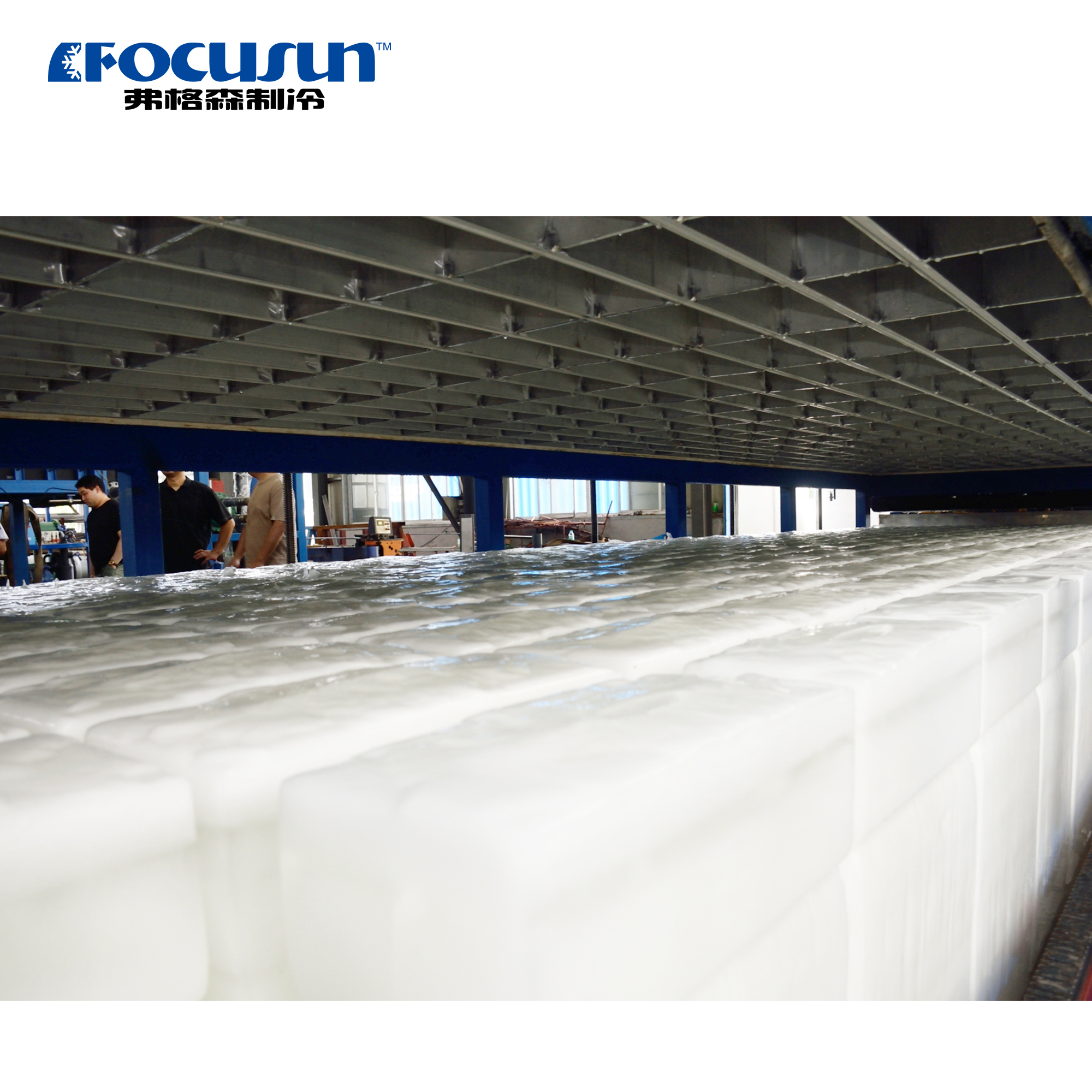
It is a planned review of specified equipment at the manufacturer's facility before shipment. The buyer and supplier agree on the scope, measurements and acceptance criteria. It can include configuration, production rate, energy, controls and supplied line interfaces. Its value comes from traceable results tied to the actual ordered equipment, with remaining site work identified rather than assumed to be complete.
There is no single duration appropriate to every design and order. Agree on enough time to observe the required operating states and complete production cycles, with a separate reliability run where the project calls for one. Record actual test duration. A short collection period extrapolated to a daily rate should be described accurately and should not be presented as a completed day of operation.
It can provide evidence under the recorded test conditions and agreed method. Check whether output was measured over the whole day or extrapolated from a shorter period. Include complete harvest cycles and explain treatment of water or rejected ice. If factory and destination temperatures differ, address expected site capacity separately. The acceptance decision should follow the contractual criteria and test conditions.
Include equipment identity, supplied scope, utilities, test conditions, observation period, ice weighing method, electrical measurements and product criteria. Add relevant control checks, cleaning access, line interfaces, documentation and shipment inspection. Assign responsibility for the report and unresolved items. The checklist should reflect the purchased system; a tube ice plant and a block ice installation may require different observations and measurements.
A video can support remote review when it shows the machine identity, instruments, collection process and relevant operating sequence. Request the associated raw data and signed report. Edited clips alone leave gaps in timing and traceability. Agree in advance whether remote witnessing is acceptable and whether independent inspection is needed. The level of evidence should reflect the equipment and purchasing requirements.
Record energy in kWh over the same period used to measure ice output, then divide by the measured tons of agreed usable ice. List the loads included in the meter boundary and any separately supplied auxiliaries. Use suitable instruments operated by qualified personnel. Compare results under the agreed conditions; installed motor power or one instantaneous current reading does not establish complete system energy per ton.
No. A production demonstration does not by itself verify water quality, sanitation or all food contact requirements. Define the required documents, testing and responsibilities for the intended market and application. The installed plant also needs appropriate operating and hygiene procedures. Any water or ice quality test should have a defined sampling method and relevant acceptance criteria instead of relying on appearance alone.
Record the result, conditions and deviation clearly. The buyer and supplier should agree on corrective action, any required retest and the evidence needed to close the item. Keep a written list of responsibilities and completion status. Shipment and payment decisions follow the purchasing agreement; a generic checklist should not be treated as a replacement for the agreed process or a reason to overlook an unresolved result.
Factory acceptance checks the equipment in the manufacturer's setup before shipment. Site acceptance checks the installed arrangement with the destination's utilities, layout and connected equipment. Transport, final connections and local conditions can introduce issues that were absent at the factory. Specify the responsibilities and criteria for both stages so that a successful factory run does not leave site commissioning tasks undefined.
Request the proposed procedure, equipment list, test conditions, instruments, output measurement method and acceptance criteria. Confirm whether the full supplied line will be assembled and which documents will be available. Agree on witness arrangements, reporting and the handling of deviations. Provide your destination utilities and required operating duty early enough for the supplier to identify any differences between factory testing and site performance.
